Updated July 2026 | By the Erica Diaz Team, Clermont real estate agents in Central Florida
Clermont exists because of citrus. Founders planted groves on the hills above the lakes, and for roughly seventy years the fruit paid for everything here. Then a run of hard freezes and a bacterial disease killed the industry. The land turned out to be worth more with houses on it. That single shift explains most of what you see driving through Clermont today.
Why the Founders Chose These Hills
Clermont dates to 1884. It took its name from Clermont, France, the birthplace of founder A.F. Wrotnoski. The city became incorporated in 1916. It covers just over 16 square miles in Lake County.
Geography drove the choice. The rolling hills here sit higher than most of the state, and higher ground protects citrus from frost. Cold air settles into low spots. A grove on a slope can survive a night that kills a grove in a valley. The lakes keep the air warmer too. Sugarloaf Mountain, northwest of town, ranks among the highest points on the Florida peninsula.
The chain of lakes running through town gave settlers water for their trees. It also gave them a way to move fruit before good roads existed. Boats carried crates to rail connections. The same water now carries wakeboards.
Railroads reached the area late in the nineteenth century. Developers started advertising to buyers in the North and Midwest, selling the weather, the farming potential, and the health benefits of the climate. Northerners came, and the town grew around them.
The Postal Colony and the Citrus Boom
Edward Denslow started the Postal Colony Company in 1922 and bought 1,000 acres for groves. Retired postal workers tended and later owned much of that land. That is an odd origin story for a Florida farm town, and it shaped who settled here.
The arrangement worked because citrus rewards patience. A new grove takes years before it bears fruit worth selling. Retirees with pensions could wait out that gap. Young farmers carrying debt could not.
Clermont grew into one of the largest citrus producing towns in the country. The industry carried the city through the Great Depression. It expanded again through the 1940s and 1950s. Citrus paid the bills across South Lake County. Groveland, next door, ran the largest sawmill in the Southeast during the same land boom.
The Citrus Tower and Clermont's First Tourist Wave
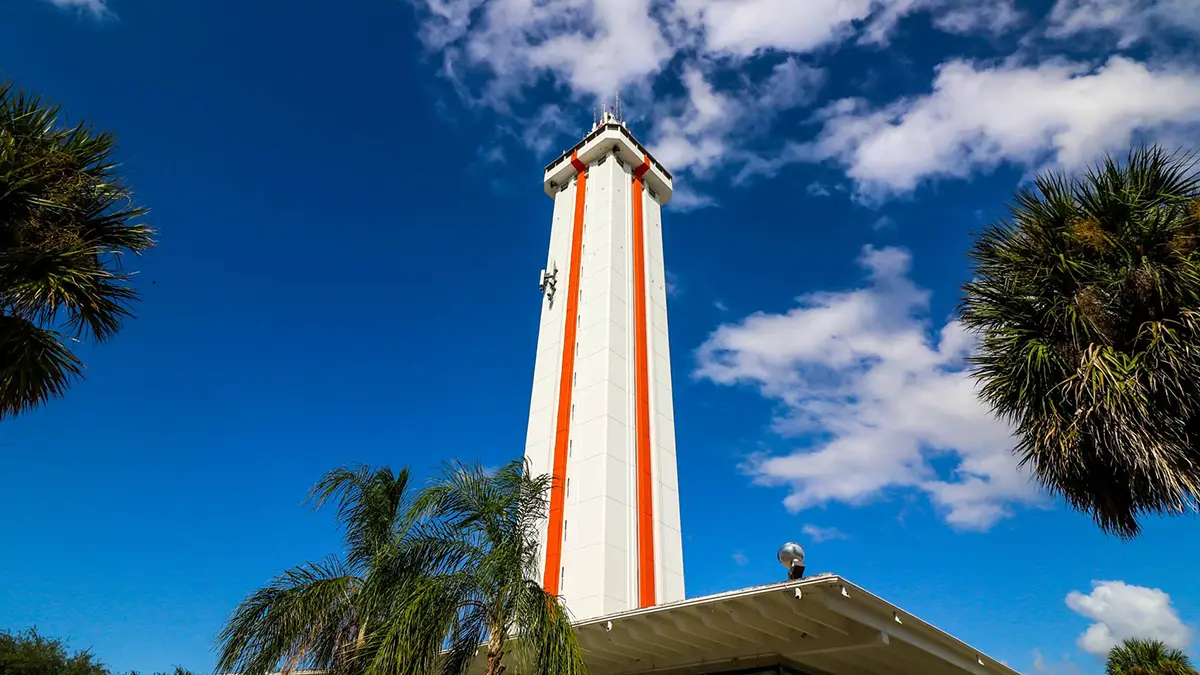
Developers opened the Florida Citrus Tower in 1956 on a hill northeast of downtown. Visitors rode an elevator to an open-air deck and looked out roughly 35 miles in every direction, across parts of eight counties. About 17 million citrus trees stood within sight of that deck. That came to roughly a third of Florida's citrus industry at the time, per the Orange County Regional History Center.
The tower crowned citrus queens. Newspapers as far away as Delaware wrote about it. This was Florida tourism before Disney arrived, and what it sold was the view. The view was groves.
Thinking About a Move to Clermont?
Our agents have worked this market through several cycles. Tell us what you are looking for and we will tell you which parts of the city fit.
What Ended the Groves
Two things finished Lake County citrus. Hard freezes struck in the early and mid 1980s. Citrus greening disease then spread through the trees that lived. Growing fruit here stopped paying.
The freezes did the damage you could see. Greening did the lasting kind. The disease moves through a tree slowly and cuts the yield year over year. Eventually a grove stops covering the labor it takes to run.
Wometco put the Citrus Tower up for sale in 1984. The general manager told the Orlando Sentinel the view was no longer what it used to be. He was describing an economy, not a skyline.
Orlando was booming at the same time. Disney World had opened in 1971, roughly 25 miles east. Land that could not make money growing oranges could make plenty holding houses. Growers sold. Developers platted.
How Clermont Rebuilt After Citrus
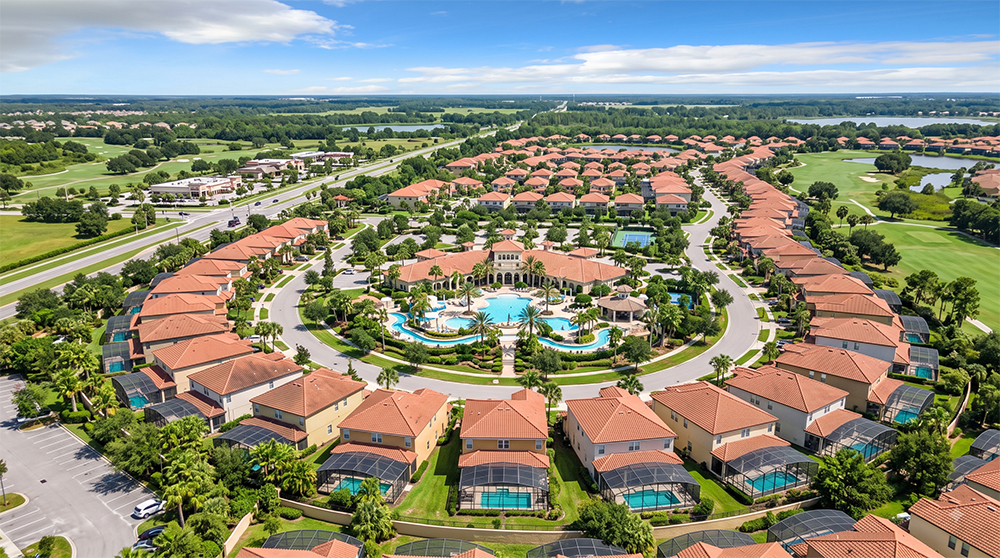
The city grew back around commuters and retirees instead of agriculture. Subdivisions filled the hills where groves had stood. Retirement communities opened along the highways. The lakes that once protected the fruit became the amenity that sold the lots.
That history still shapes pricing. High ground and lake frontage were farm assets first and home assets second. It is why two homes a mile apart in Clermont can differ by hundreds of thousands of dollars. Our guide to Clermont neighborhoods breaks down how that plays out community by community.
The change took a generation. Groves came out block by block as owners aged out or sold. Clermont has no single year when it stopped being a farm town. Streets built in 1988 sit beside streets built in 2019.
The pattern also explains the city's shape. The oldest streets sit close to downtown and the water. Newer construction runs south toward Highway 27 and the Wellness Way corridor, on land that stayed in agriculture longest.
What Is Left of the Citrus Era
Clermont kept pieces of its first economy in plain view. The Citrus Tower still stands on Highway 27. Owners repainted it in the original orange and white in 2015, and a coffee shop has run in the lobby since 2019. The Historic Village preserves homes from founding families. One is the Townsend House, built around 1895 for the first Black family in Clermont. Lakeridge Winery works land that once grew fruit.
The Showcase of Citrus opened south of town in 1989 and still runs grove tours on oversized vehicles. Around the corner from the tower, a museum that opened in 1964 as the President's Hall of Fame became the House of Presidents. Both outlasted the same shift the growers faced, by selling the experience instead of the fruit.
Downtown has filled in around Waterfront Park on Lake Minneola. The Highway 50 corridor carries most of the newer retail and dining. For where prices and inventory sit right now, see our coverage of the current Clermont market.
Why This History Matters When You Buy Here
Knowing how Clermont grew helps when you compare listings. Lot height, tree cover, and water access all trace back to which grove got split into lots and when. A 1990s neighborhood has mature oaks because the land sat idle first. A 2020s community has saplings and wider roads.
Citrus never fully left, either. Families still farm it around Clermont, some of it organic, on land their parents planted. The scale is nothing like the 1950s. The knowledge stayed.
Neither is better. They price differently, they age differently, and they suit different buyers. Our agents have closed in both. Browse homes for sale in Clermont, or tell us what matters most and we will narrow the list for you.
Ready to Look at Clermont Homes?
The Erica Diaz Team holds more than 800 five-star reviews and ranks in the top 1% of agents in Florida. We know which hills hold which histories.